WHAT GOLD KNOWS THAT STOCKS DON'T.

Before there were portfolios, there was gold, one of the oldest and most geographically stable stores of value humans have held and still hold because it has held culture’s attention, unbroken for thousands of years.
Across different systems, that attention has settled on women in particular.
In South Asian Hindu households, stridhan — gold and other assets given to a woman before, during, and after marriage — is legally hers. Section 14 of India's Hindu Succession Act, 1956 makes any such property a woman’s absolute right to keep, sell, or pass down (Stridhan and women’s estate).
Across West Africa, gold has long served as a portable, inheritable store of value passed matrilineally in many communities and worn as often as it’s banked. An example of this is the Akan people of present-day Ghana, whose inheritance runs through the mother’s line, the abusua. This tradition wasn't abstract. Women did much of the gold panning along the riverbanks in Wassa, Nzema, Akyem, and Asante, a practice documented centuries ago (Traditional Gold Mining in Akan State of Ghana).
In Middle Eastern marriage contracts, a bride’s mahr is a Quranic obligation on the groom, often paid in gold because it holds its worth over time and survives currency collapse, exile, and discretion in ways a bank balance cannot. It is her sole property and is not returnable upon divorce (What is Mahr?)
These three routes worked differently too. Mahr is contractual, Stridhan is compensatory, and Akan inheritance is structural. These unrelated systems, continents apart, each independently found a way to route durable wealth toward women, using the same material because it was unusually good at its job.
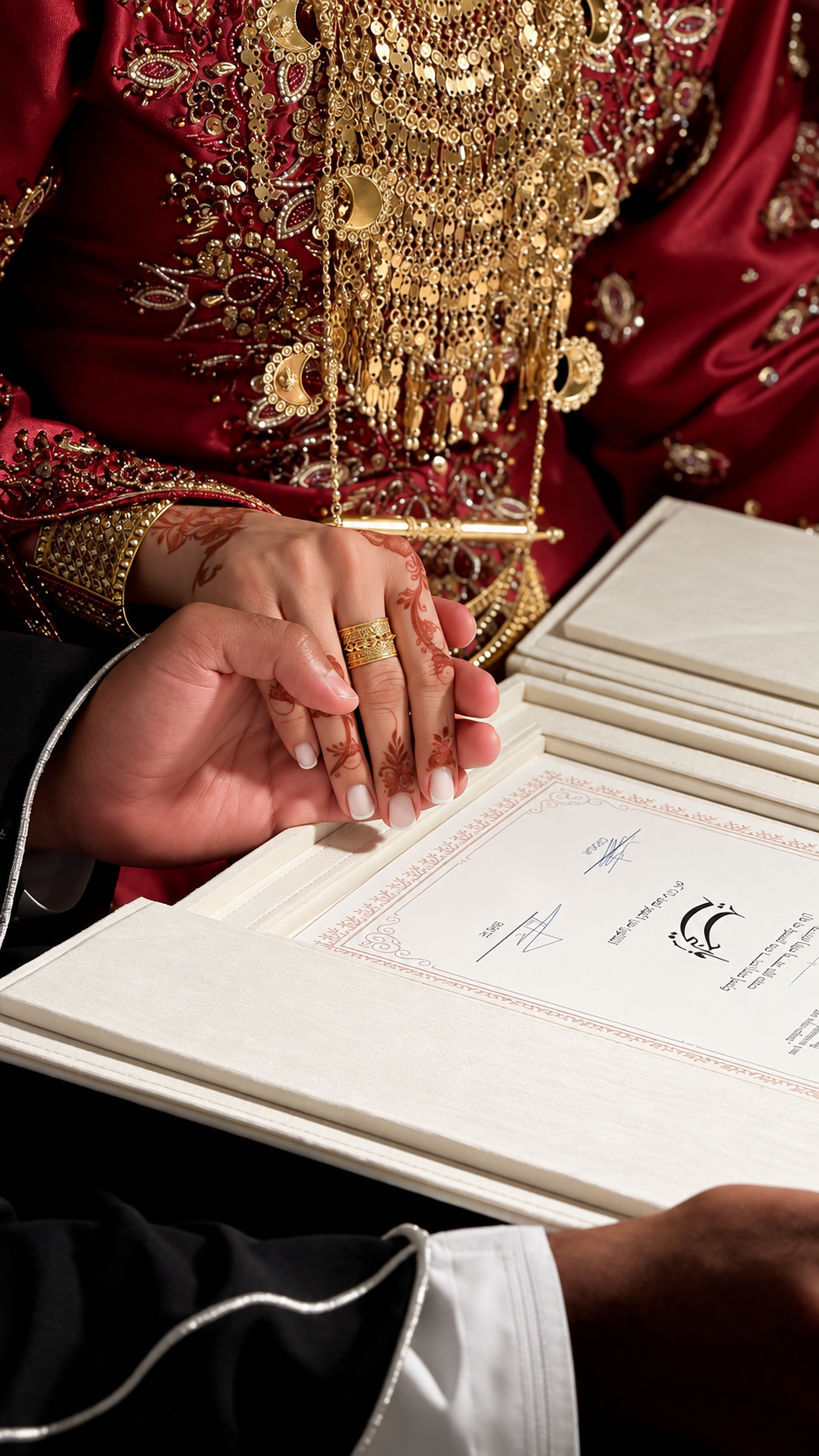

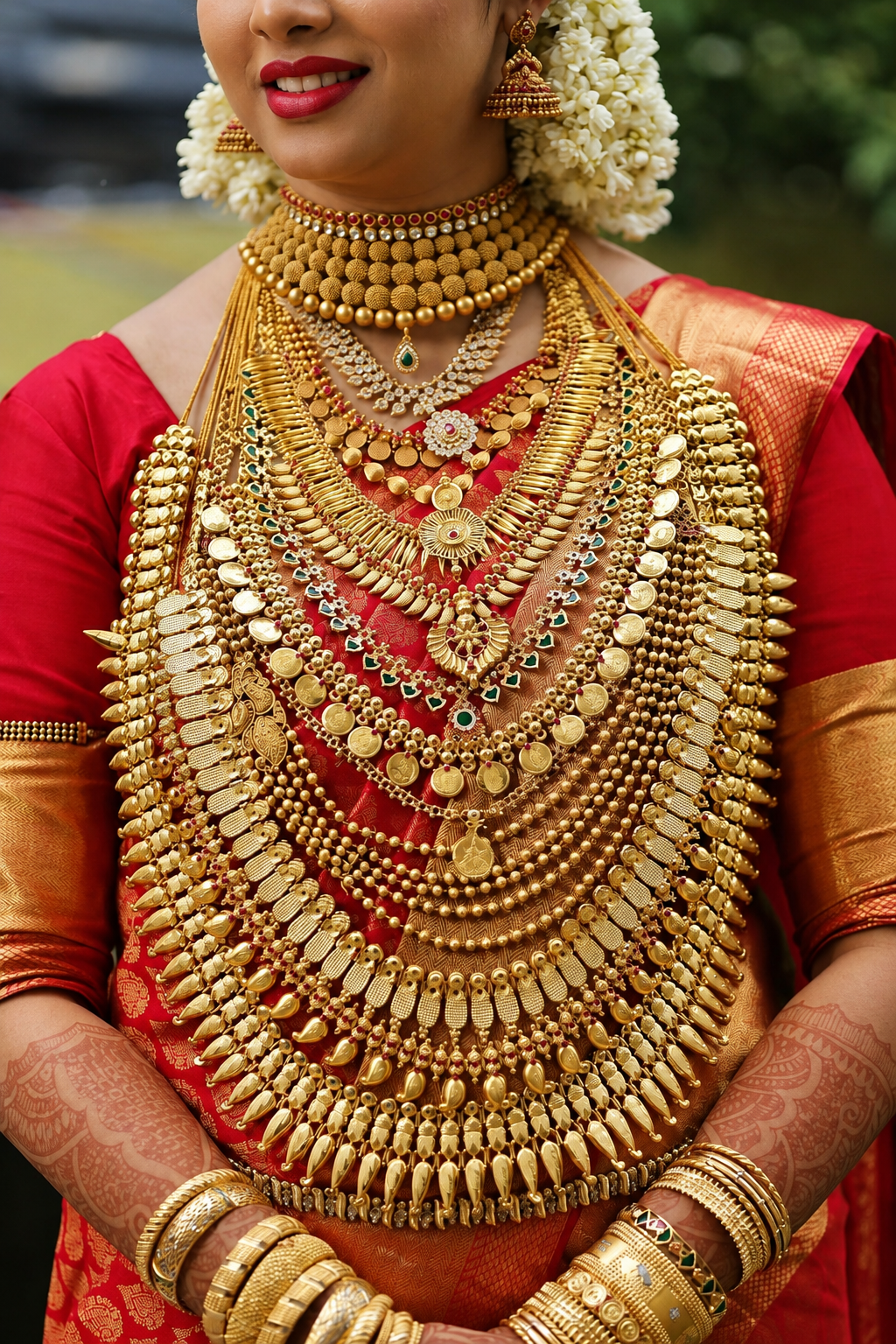
It let women hold wealth outside the financial systems they didn't control. A third party can freeze a bank account. A stock certificate means nothing without an institution to honor it, but gold, like anything else, is worth what we collectively ascribe to it. It requires no broker to assign that value and needs no permission to sell, move, or hide it.
Warren Buffett would disagree. He’s called gold “just about the last thing” he’d want to own, preferring “100 acres of land, an apartment house, or an index fund” (Afternoon Session - 2005 Berkshire Hathaway Annual Meeting). His logic is consistent: he wants assets that produce. A farm yields crops. A business yields profit. An index fund yields the compounded profit of hundreds of businesses. Gold generates nothing. It’s only worth what the next buyer will pay for it.
The logic is sound by the measure it’s built on. It’s just answering a different question than the one that matters here: not what will this grow into, but what will remain mine, no matter what else fails. Buffett is optimizing for a world where the institutions holding his wealth keep functioning. Most of the women who have historically turned to gold weren't guaranteed that world, and gold was precisely the asset that didn’t require it.
“I’d rather buy gold. It’s an asset I can see, touch, wear, even pass down. Besides, these financial institutions can pack up at any time. Where do I turn then? With gold, my value is right under my nose. I’m not a trader; I can’t lose sleep monitoring a market I don’t understand.” — Olubimpe, 45
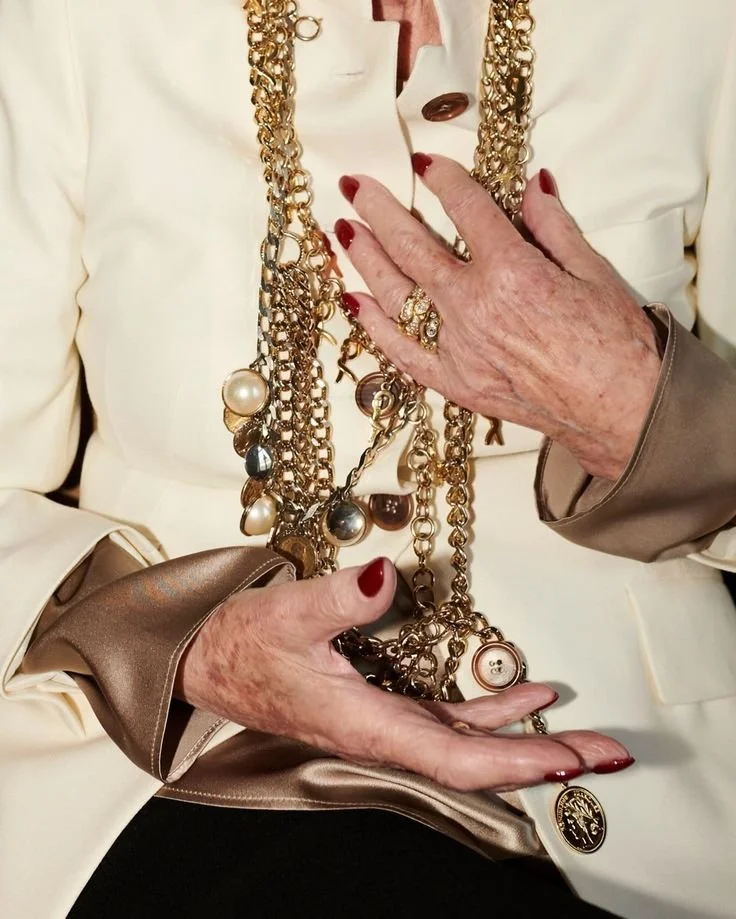


Gold has also performed. From 2005 to today, gold has risen roughly 650% in nominal terms — from about $445/oz to over $4,200/oz — though adjusted for inflation, the real gain is closer to 360% (Gold Price History: Charts & Data Since 1971 - usagold). And in 2024, something rare happened: the S&P 500 delivered a 25% total return while gold finished the year up 27% (Gold vs the S&P 500 - Advisor’s perspective), which means it isn’t only a hedge against loss; it also held its own on returns. It's not there to outperform, nor does it make it a superior asset – that's not the point. So far, it has held steady when everything else falters, making it a different type of asset built for a different kind of risk than stocks.
But this doesn't make gold simple. It also has real costs and risks that are worth naming.
One is that you can hold gold without holding it, which defeats the point. Gold ETFs, futures, and "paper gold" let investors track gold prices without touching the actual metal through ETF shares. That rebuilds the exact institutional dependency physical gold was supposed to let you escape. If the ETF fails, the shareholder's "gold" fails with it (Gold ETF Holding Surge… But Do They Actually Hold Gold?).
Gold can also be taken from you — by a stranger or by the state. In England and Wales, jewelry is stolen in approximately 7% of burglaries. A Newcastle University study found that when gold prices rise, burglars measurably redirect toward neighborhoods with higher shares of South Asian households, because those households are more likely to hold gold (Gold: when the price goes up, more of it gets stolen in break-ins). The asset positioned as protection becomes, quite literally, the reason the home gets targeted.
States have also reached further for gold specifically, twice, on two continents. In 1933, Executive Order 6102 made gold ownership a crime, forcing Americans to surrender it at a fixed rate. Then, within a year, it revalued the same gold at a higher rate, pocketing a 69% gain that the citizens who'd sold their gold weren't allowed to keep (Gold Reserve Act - Wikipedia). The ban lasted 41 years. India also ran its own version in 1968 called the Gold Control Act, which barred citizens from holding gold bars or coins, thereby forcing conversion into declared jewelry. This policy backfired, sparking a smuggling boom, and remained law for 22 years until repeal in 1990. The same country whose civil law protects a woman's stridhan once dictated, by statute, what physical form her family gold could take (Gold (Control) Act, 1968 - Wikipedia).
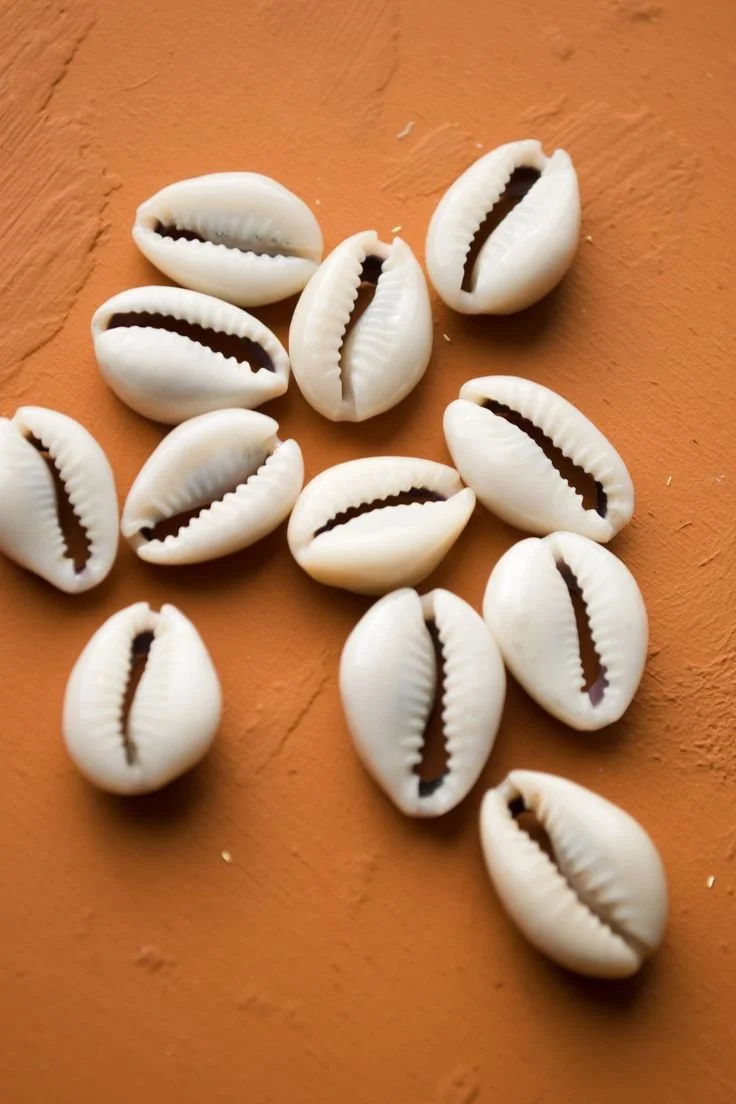
There's also a real historical precedent for total collapse. For centuries, cowrie shells functioned across West Africa much like gold: portable, physical, widely recognized, inherited, and worn. Then European traders flooded the region with cheap shells from the Maldives and the Indian Ocean, and the resulting "great cowrie inflation" rendered them worthless as currency within decades. Colonial governments then formally demonetized them (A Web of Entanglement: Following East African Cowries). It became a durable, tangible, culturally embedded store of value, destroyed by oversupply and legislation. Gold's value depends, in the same way, on a market of people willing to recognize it. In principle, that market can be flooded or outlawed too.
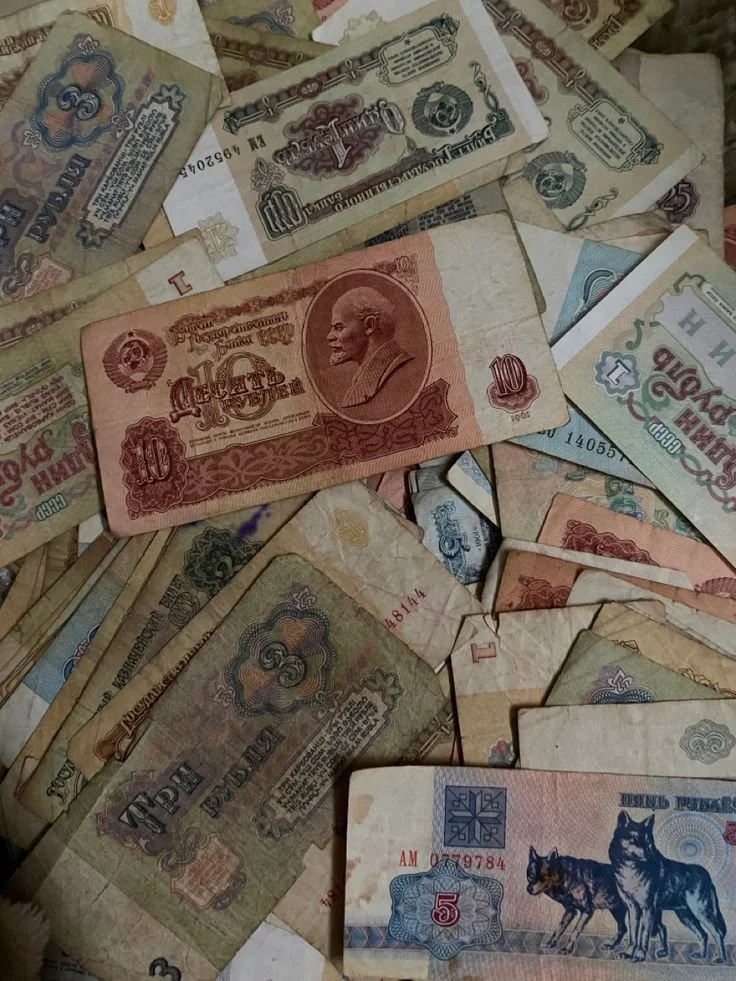
We tend to look at the financial habits of the women before us and see only tradition. Maybe we should look again, because the same logic individual women have practiced for generations- holding tangible assets beyond institutional control is now unfolding on a trillion-dollar scale, within modern financial institutions.
In 2024, gold overtook the euro to become the world's second-largest reserve asset held by central banks, and monetary authorities have bought over 1,000 tonnes of gold a year for three consecutive years, roughly double the average pace of the prior decade (Central banks elevate gold above euro reserves - Miningmx). In 2022, the U.S. and its allies froze $300 billion of Russia's central bank reserves, proof that even a sovereign nation’s assets aren't safe from someone else's decision. Central banks now buy gold for the same reason Olubimpe gives for holding hers—no counterparty or institution can freeze it.
Holding both things at once
None of this makes Buffett right, and none of it makes Olubimpe wrong; it also doesn't make the women who held gold, because it was the only asset available to them, any less shrewd for making the most of it. A stock gives you ownership in a business, dependent on that business and the institutions around it. Gold gives you ownership of the thing itself, with its own, different dependencies: a market willing to buy it, a place safe enough to keep it, a state that won't decide to regulate what form it's allowed to take. Neither is a hedge against everything. Diversification, compounding, and index investing are real tools, and gold isn't a substitute for any of them. But that doesn't mean you have to choose between them. A well-diversified portfolio can include gold as an asset that isn't correlated with stocks or bonds, as a hedge alongside earning and compounding.
What the Stridhan, Akan, and Mahr traditions reveal isn't that gold is safe or the only safe asset to own. These traditions didn't necessarily expect women to have other options, so they held on to the one asset no institution could take. Central banks worked that out too, eventually – no single institution should hold the only copy of your financial security. And gold, for all its own flaws, knew that long before we started calling it an asset class.
